

One of the most interesting aspects of working in sales is consistently straddling the line between art and science. As sales has evolved, the “science” part has come to mean more specifically leveraging technology to enhance the process. Sales force automation software has a dramatic impact on the way sales are performed. According to recent study salespeople using an automated solution increased their talk time by 88 percent and had 15 percent higher contact and conversion rates than their peers. Sales automation has indisputably made salespeople more efficient, but some people worry that outsourcing too much to a machine can make sellers impersonal and therefore less convincing for potential buyers.
The danger of a blind reliance on sales force automation software is obvious. If salespeople lean heavily on generic email blasts, for example, they risk frustrating and alienating buyers. They also might become complacent and lose important skills like critical analysis of prospects’ pain points. The true power of sales force automation software lies in harnessing the benefits of automation (science) without losing the advantages of human connection (art). By implementing these solutions strategically, salespeople can not only retain their ability to form relationships with prospects, but also enhance it.

These days we can see due to introduction of globalization and liberal government policies starting any business is not a difficult task. We can find everyday new companies in various niche are coming joining the business world. All these factors have created massive competition in market. In contemporary business world is very difficult for any company to generate exceptionally high profit. In order to get competitive edge in market the companies require sound sales strategy and sales forces. Implementing sales force automation software will automate the routine tasks of sales force and allow them to hit the targets effectively.
What is sales force automation software?
Sales force automation software, sometimes shortened to SFA (sales force automation), is an integrated application that automates frequent sales processes and tasks such as tracking customer interactions, as well as analyzing sales performance and forecasts.
Sales force automation software typically comes with a web accessible database, an email application, tracking software, and sales email templates.
The biggest indirect taxation reform GST is going to implement very soon. One side it will rejuvenate the entire indirect taxation system and will bring multiple benefits, on the other side it will affect various ares like supply chain, cash flow, revenue and many more. Few of things are still unclear like the future of area based tax exceptions, which the industries are enjoying for setting up manufacturing facilities in north-eastern states or hill areas like Himachal Pradesh, Sikkim, Uttarakhand under GST?
Area based tax exemption will experience a key change in proposed GST regime, industrial units will have to pay duties first and get a refund later. Centre has decided to proceed with area based excise duty exceptions gave towards the Northeast and hill states when the GST regime will kick start. Industries will pay their duties first, then the centre or the state that gets the duty will then repay it to the exempted elements and the states will now choose the particular industrial exceptions they wish to proceed. The correct subtle elements on whether every one of the exceptions will be granted or refunded will be worked out later. The GST Council additionally affirmed the draft rules for returns, enrollment, payment, and invoices. These will be notified after the model GST laws are ordered.
Govt. is going to implement “Goods and Service Tax” the biggest taxation reform in indirect tax segment from the coming New Year 2017. With great reforms, comes with great challenges. The whole tax filing process would be digitized under Goods and Service Tax Network (GSTN). So here are few of the important FAQ’s regarding procedure to enroll for GST registration by existing tax payers.
1. Who all are liable to enroll?
Existing taxpayers are liable to enroll under GST system portal. An existing taxpayer is an entity registered with any of the authorities;
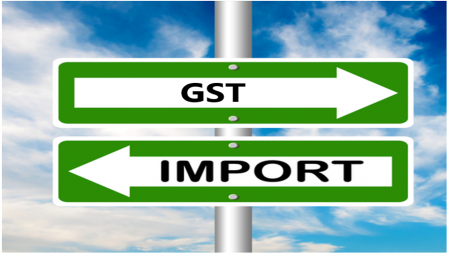
The much-awaited GST law will be effective from the next year to bring nationwide uniformity of taxation laws. This will make the taxation process simplified by eliminating multiple taxation filing both at central and state level. The nex tax regime is more easy and simple and creating the swift business environment. It would be applicable on all the verticals of the domestic market of India this includes import also. Import of goods and service would be treated as interstate supply and IGST (Integrated Goods & Service Tax) would apply on the import of goods and services in the country.
The destination principle and tax revenue will get accrued, where the imported goods get consumed and an SGST would apply. A full and complete set-off will be made available on the paid GST on imports. As per the guidelines ready for CGST (Central Goods and Service Tax), act whatever import will get shipped shall attract CGST and certain percentage of IGST (Interstate Goods and Service Tax). The CGST shall be consumed or transferred to the central government. The SGST levied against imports shall be credited to the state government.